

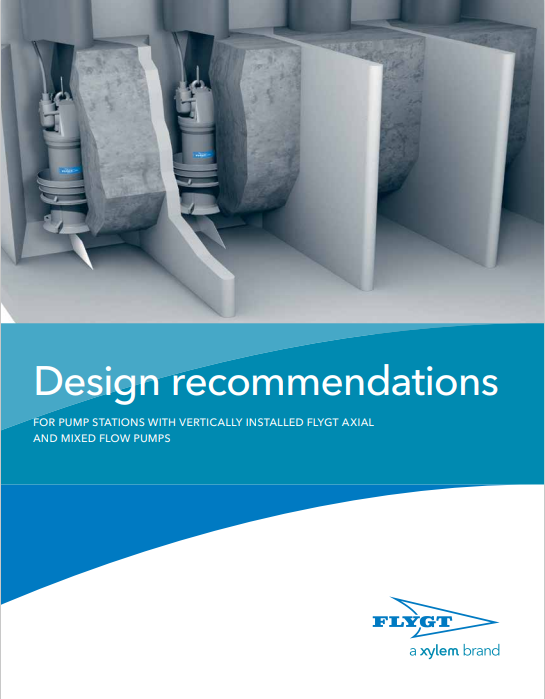
Design recommendations for Pumping Stations
Only logged in customers who have purchased this product may leave a review.
Related products
Hydraulic Machines
What are Hydraulic Machines?
Hydraulic Machines are defined as those machines which convert either hydraulic energy ( energy possessed by water) into mechanical energy ( P.E+K.E) energy into hydraulic EX
- Pumps
- Turbine s
Hydraulic Machines
What are Hydraulic Machines?
Hydraulic Machines are defined as those machines which convert either hydraulic energy ( energy possessed by water) into mechanical energy ( P.E+K.E) energy into hydraulic EX
- Pumps
- Turbine s
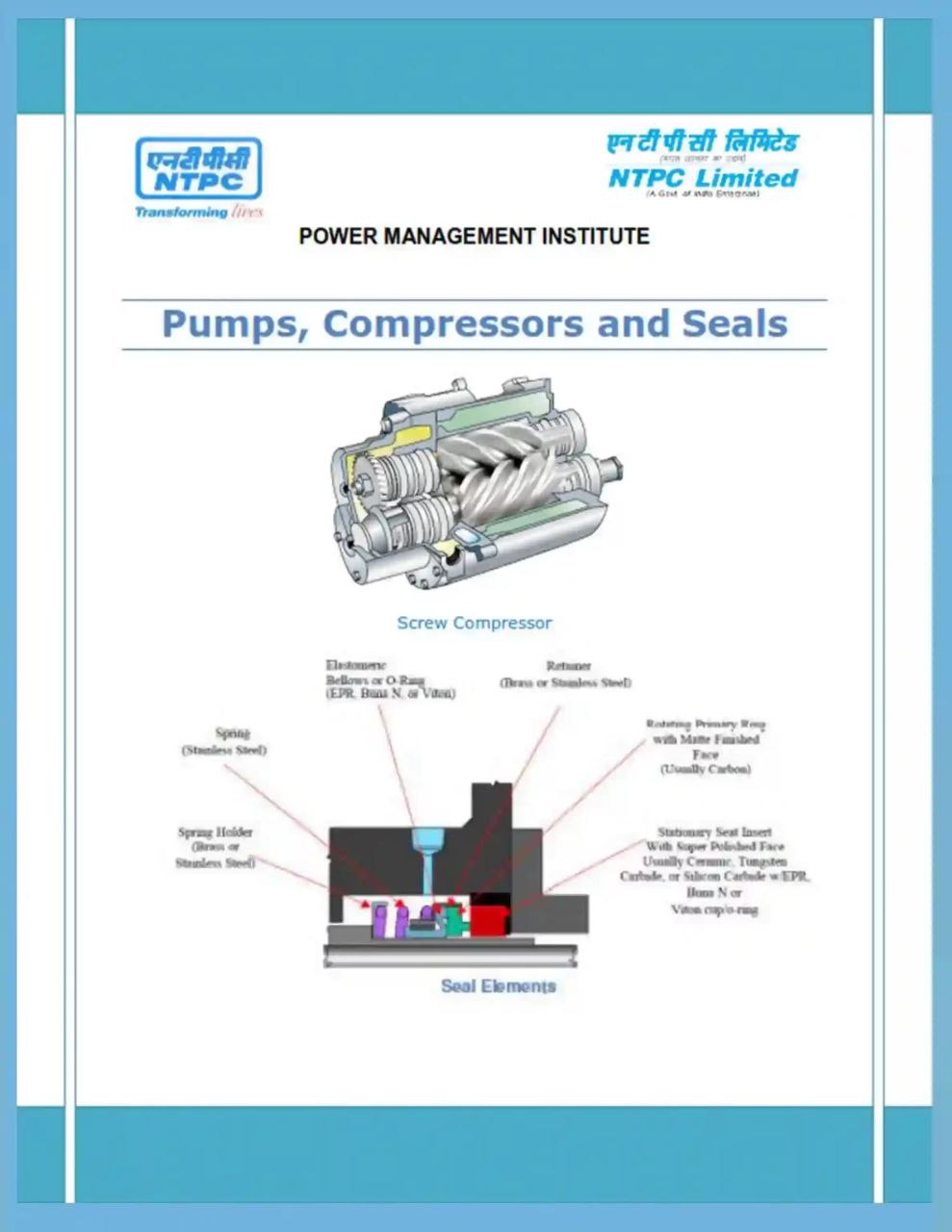
Pumps, Compressors and Seals
The most numerous types of fluid machineries are of the pump family (machines which add energy to the fluid), other important types are turbines (which extract energy from fluid). Both types are usually connected to a rotating shaft, hence also called turbomachineries. The prefix turbo- is a Latin word meaning ―spin’’ or ―whirl,’’ appropriate for rotating devices. The pump is the oldest fluid-energy-transfer device known. At least two designs date before Christ: (i) the undershot-bucket waterwheels, or norias, used in Asia and Africa (1000 B.C.) and (ii) Archimedes’ screw pump (250 B.C.), still being manufactured today to handle solid-liquid mixtures or to raise water from the hold of a ship. Paddlewheel turbines were used by the Romans in 70 B.C., and Babylonian windmills date back to 700 B.C. Since that time, many variations and applications of pumps have been developed. The power generating turbomachines (turbines) decrease the head or energy level of the working fluids passing through them and they are coupled to machines, such as electric generators, pumps, compressors etc.
Pumps, Compressors and Seals
The most numerous types of fluid machineries are of the pump family (machines which add energy to the fluid), other important types are turbines (which extract energy from fluid). Both types are usually connected to a rotating shaft, hence also called turbomachineries. The prefix turbo- is a Latin word meaning ―spin’’ or ―whirl,’’ appropriate for rotating devices. The pump is the oldest fluid-energy-transfer device known. At least two designs date before Christ: (i) the undershot-bucket waterwheels, or norias, used in Asia and Africa (1000 B.C.) and (ii) Archimedes’ screw pump (250 B.C.), still being manufactured today to handle solid-liquid mixtures or to raise water from the hold of a ship. Paddlewheel turbines were used by the Romans in 70 B.C., and Babylonian windmills date back to 700 B.C. Since that time, many variations and applications of pumps have been developed. The power generating turbomachines (turbines) decrease the head or energy level of the working fluids passing through them and they are coupled to machines, such as electric generators, pumps, compressors etc.

Centrifugal Pump Training
Objectives
Understand pump fundamentals
Understand the probable root causes of degradation or failure associated with various pump problems
Understand the state-of-the-art technologies to upgrade existing designs to achieve improved operation and life
Learn how to determine where a pump is operating and how to modify its performance to achieve optimum performance
Centrifugal Pump Training
Objectives
Understand pump fundamentals
Understand the probable root causes of degradation or failure associated with various pump problems
Understand the state-of-the-art technologies to upgrade existing designs to achieve improved operation and life
Learn how to determine where a pump is operating and how to modify its performance to achieve optimum performance
Chapter10. Compressors
Main Types of Compressors
The compressor is the heart of a mechanical refrigeration system.
There is the need for many types of compressors because of the variety of refrigerants and the capacity, location and application of the systems.
Generally, the compressor can be classified into two basic types: positive displacement and roto-dynamic.
Chapter10. Compressors
Main Types of Compressors
The compressor is the heart of a mechanical refrigeration system.
There is the need for many types of compressors because of the variety of refrigerants and the capacity, location and application of the systems.
Generally, the compressor can be classified into two basic types: positive displacement and roto-dynamic.
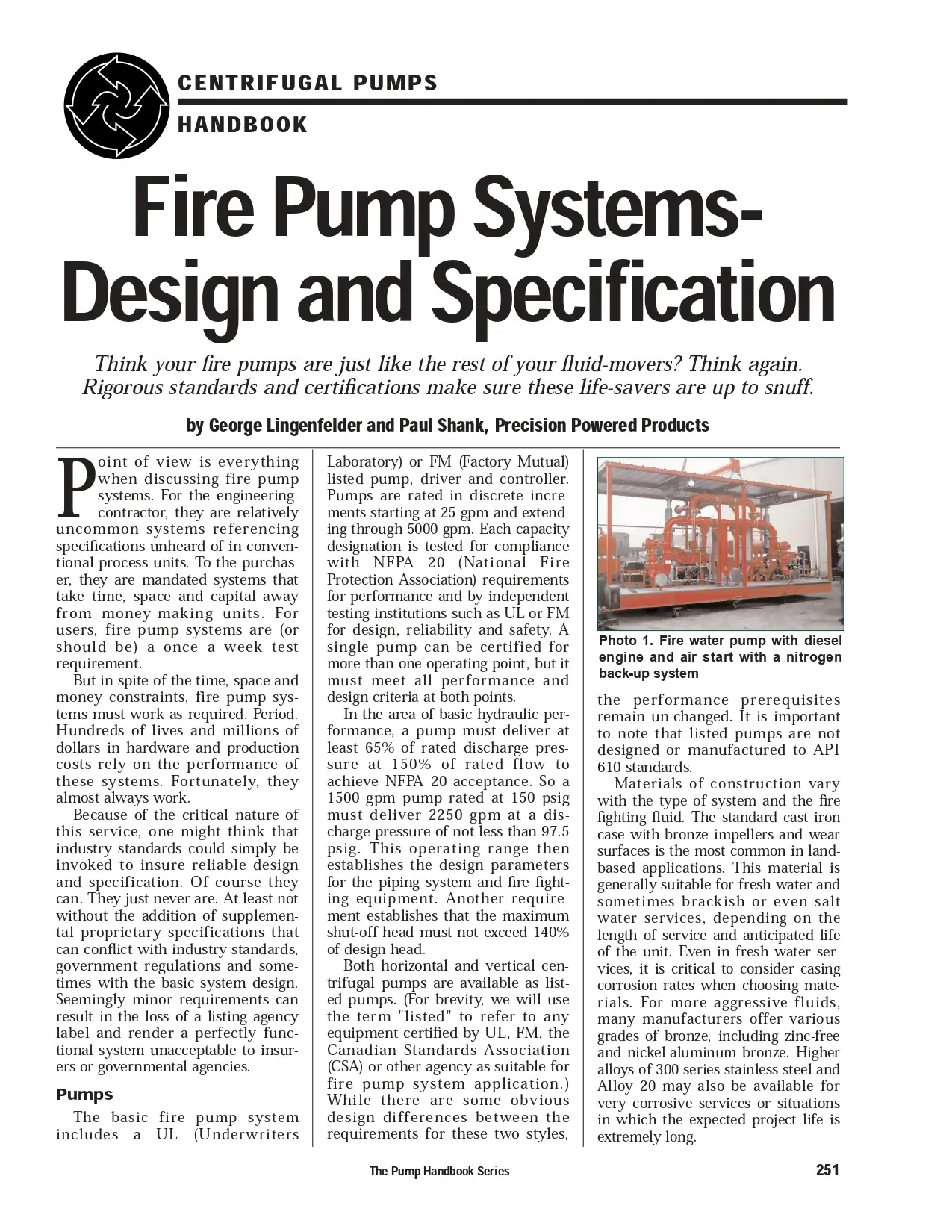
Fire Pump Systems Design and Specification
Think your fire pumps are just like the rest of your fluid movers? Think again. Rigorous standards and certifications make sure these life-savers are up to snuff
Fire Pump Systems Design and Specification
Think your fire pumps are just like the rest of your fluid movers? Think again. Rigorous standards and certifications make sure these life-savers are up to snuff
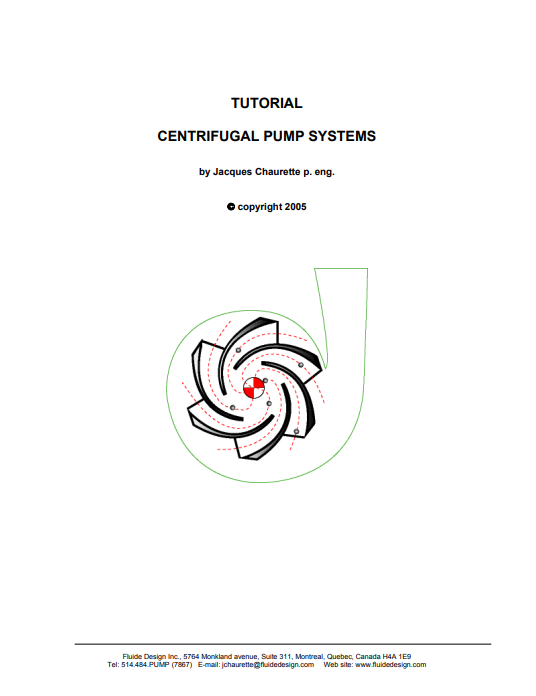

Chapter One Classification Of Pumps
What Is a Pump?
A pump is a machine or device for raising, transferring, or compressing fluids. Pumps represent the largest single use of power in the industry (31%) by motor-driven equipment. Process variables, including pressure and flow of gases and liquids, have long been regulated using mechanical clutches, throttles, and adjustable inlet guide vanes. Pumps often operate as a variable torque load, a load that increases as the speed increases. These mechanisms waste energy, require frequent maintenance, and provide inaccurate control.
Chapter One Classification Of Pumps
What Is a Pump?
A pump is a machine or device for raising, transferring, or compressing fluids. Pumps represent the largest single use of power in the industry (31%) by motor-driven equipment. Process variables, including pressure and flow of gases and liquids, have long been regulated using mechanical clutches, throttles, and adjustable inlet guide vanes. Pumps often operate as a variable torque load, a load that increases as the speed increases. These mechanisms waste energy, require frequent maintenance, and provide inaccurate control.
Reviews
There are no reviews yet.